

Late January in the UK brings a cultural celebration that feels both historic and heartwarming. It is called Burns Night, a Scottish tradition that honours Robert Burns, the country’s beloved national poet.
For Indian travellers, Burns Night offers a rare chance to experience a warm and authentic Scottish tradition that blends poetry, humour, ceremony and comfort food. It feels like a cross between a family feast, a cultural performance and a literary gathering, all unfolding in the middle of winter when communities come together to create warmth.
Who Was Robert Burns and Why Is He Celebrated?
Robert Burns (1759 to 1796) was a farmer’s son from Ayrshire who wrote poems and songs in Scots, one of Scotland’s regional languages. His writing celebrated nature, love, friendship and the everyday joys and struggles of rural life.
Even if you do not know him by name, you already know one of his most famous works. Every New Year’s Eve, people all over the world join hands to sing Auld Lang Syne, a song written by Burns.
Burns became a symbol of Scottish pride, identity and language. His birthday became a national celebration, not because he was a historical figure, but because Scots truly love and recognise the humanity in his words.
What Exactly Is Burns Night? A Traveller’s Introduction
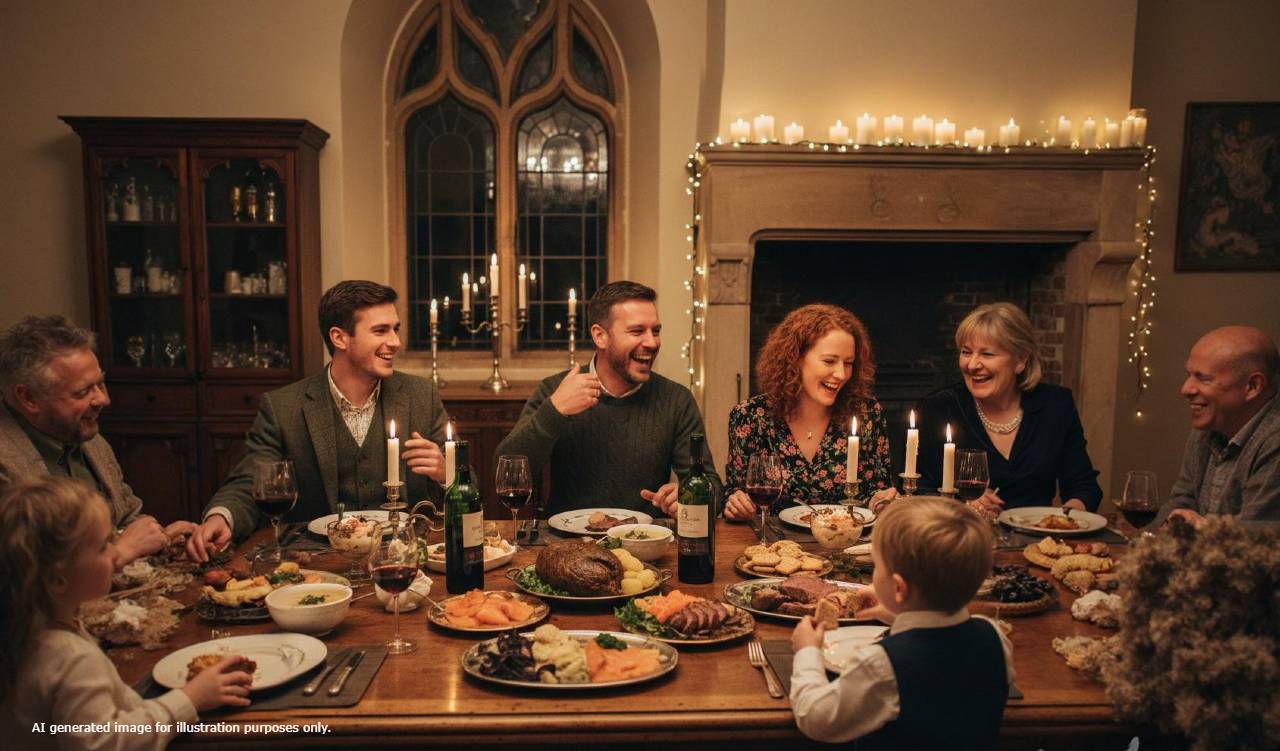
At its heart, Burns Night is a communal dinner known as the Burns Supper. But like many Indian festivals, it is the rituals, stories and togetherness that give it meaning.
A traditional Burns Supper follows a set sequence. It feels warm, humorous and sometimes slightly theatrical. The best part is that you do not need to understand everything perfectly. If you are at the table, you are already part of the experience.
Burns Night is now celebrated across the UK and even around the world, especially in places with Scottish communities. You will find events in London, Edinburgh, Glasgow, Manchester, Liverpool and even overseas Burns Clubs.
What Happens at a Burns Supper? Traditions Explained for First-time Visitors
The Selkirk Grace: The evening often begins with the Selkirk Grace, a short blessing thanking the land and those who prepared the meal. It is simple, humble and sets the tone for the night.
The Procession of the Haggis: Next comes the moment everyone waits for. The haggis, the star dish of the night, arrives in a dramatic procession. Guests stand as musicians, often playing the bagpipes, lead the chef and a server carrying the haggis on a silver tray.
If you are an Indian visitor, do not worry about the ingredient list. Many restaurants now serve vegetarian haggis, made with lentils, beans, oats and herbs. It is warming, earthy and surprisingly comforting, especially on a cold evening.
Address to a Haggis: Once the haggis reaches the table, someone recites Burns’s famous poem Address to a Haggis. The poem is dramatic and full of energy, and even if you miss some words, the performance is the highlight.
Traditional Scottish Meal: The haggis is served with:
- Neeps (turnips)
- Tatties (potatoes)
These simple dishes reflect Scotland’s agricultural history, much like dal-chawal or khichdi reflects Indian comfort food culture.
Dessert often includes cranachan, a creamy mix of oats, raspberries and honey. In some homes, you may also find clootie dumpling, a steamed traditional pudding.
Whisky Toasts: The Spirit of Scottish Hospitality
A Burns Supper usually includes a whisky toast, since whisky is one of Scotland’s most iconic cultural symbols.
You do not need to be a whisky drinker to join in. If you prefer not to drink alcohol, simply raise a glass of water or juice. The toast is about respect, not what is in the glass.
Poetry, Music and Friendly Humour
After the meal, the evening becomes livelier. Guests read Burns’s poems, sing his songs or share stories. Some gatherings include a traditional Scottish group dance called a ceilidh, where you follow simple steps with upbeat folk music. It is joyful and welcoming, even if you have two left feet.
Two popular speeches take place:
- Toast to the Lassies
- Reply to the Laddies
These speeches are humorous and friendly. They poke gentle fun at each other but always in a warm and respectful way.
The night often ends with everyone standing in a circle, holding hands and singing Auld Lang Syne.
Where You Can Experience Burns Night in the UK
If you are travelling in January, here are some great places to join a Burns Night celebration:
Edinburgh: The city hosts large Burns Suppers in hotels, historic halls and even on board the Royal Yacht Britannia.
Glasgow: Known for more lively, music-filled Suppers with ceilidh dancing.
London: Restaurants and Scottish clubs hold ticketed Burns Suppers. Areas like Soho, Covent Garden and Shoreditch have themed events.
Dumfries: Home to the famous Big Burns Supper Festival, which includes theatre, comedy, music and large street performances.
Local Pubs and Community Halls: If you are in Scotland, many small towns host budget-friendly community Burns Suppers where you meet locals, not tourists.
Why Burns Night Is Worth Experiencing
Burns Night is not a show created for tourists. It is a living cultural tradition that communities have kept alive for more than two hundred years.
If you are travelling in Scotland or elsewhere in the UK in January, you may receive an invitation from a friend, colleague or even a friendly local pub. Say yes. You will experience something rare: a celebration that honours poetry, food, humour and shared humanity.
For Indian visitors, the warmth of the evening will feel familiar. There is something deeply relatable about gathering around a table, reciting old stories, sharing good food and celebrating the bonds that bring people together.
Burns Night proves that even in the coldest Scottish winter, a room can feel warm when people come together with open hearts.