
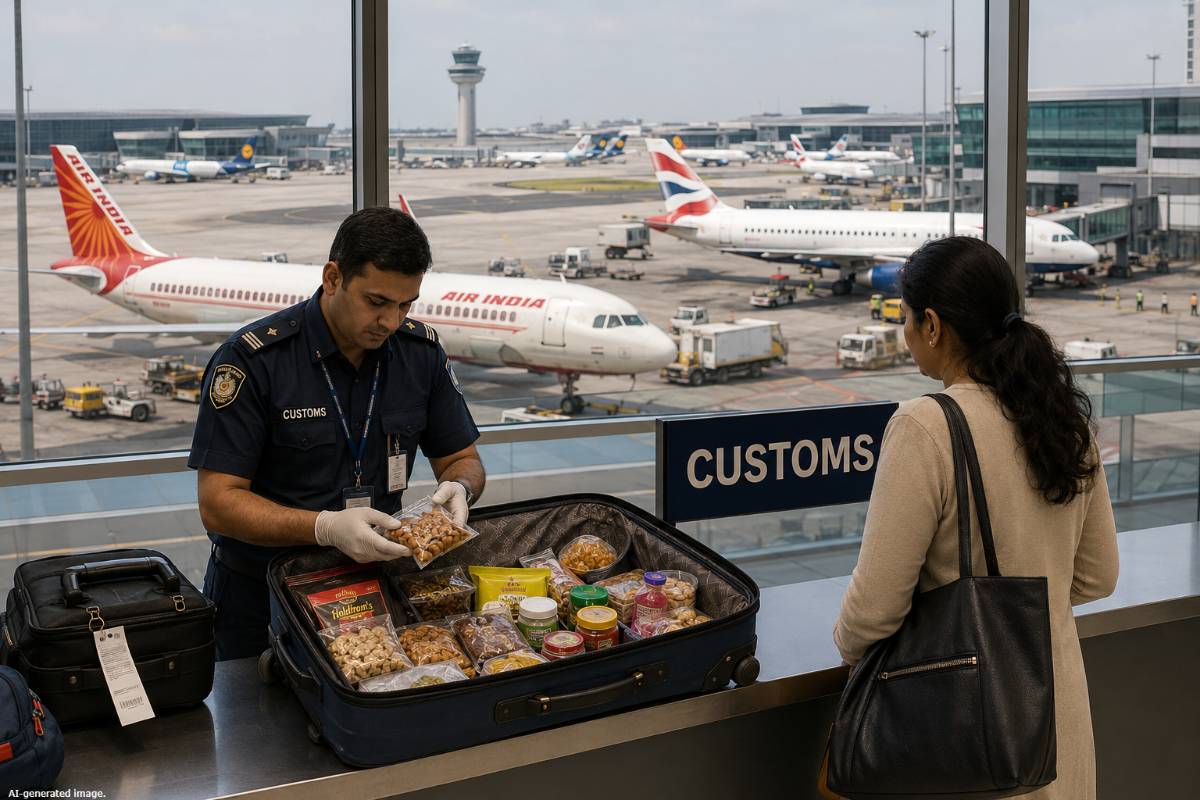

Packing food is almost a tradition for many travellers flying between India and the UK. Whether it is a box of Indian sweets for family, homemade snacks for a long flight, or British chocolates and biscuits for loved ones back home, food often finds a place in our luggage.
However, what many travellers do not realise is that airport security rules, airline baggage policies, and customs regulations are not the same thing. A food item that passes security at the airport may still be confiscated by customs when you arrive. Recent UK restrictions on certain food products have also made it more important than ever to know the rules before you pack.
If you are planning a trip between India and the UK, this guide will help you understand what food you can carry, what you should avoid, and how to travel without any unpleasant surprises at the airport.
Understanding the Three Different Food Rules
Before packing any food item, you should understand that three separate rules apply:
- Airport security rules
- Airline baggage rules
- Customs and biosecurity regulations
Airport security decides what can pass through screening checkpoints. Airlines determine what can be carried in cabin or checked baggage. Customs authorities decide what can legally enter the destination country.
This is why a food item may be allowed on the aircraft but not allowed into the country.
What Food Can You Bring from India to the UK?
The UK has strict biosecurity regulations designed to protect agriculture and public health. In 2026, travellers should be especially careful with animal-based products.
Generally Allowed
You can usually carry commercially packaged and non-perishable food items such as:
- Biscuits and cookies
- Namkeen and savoury snacks
- Dry sweets
- Packaged tea and coffee
- Spices and masalas
- Dry fruits and nuts
- Instant noodles
- Breakfast cereals
- Rice and pulses
Factory-sealed products are always the safest option.
Food Items That May Cause Problems
Certain products face stricter restrictions and may be confiscated on arrival:
- Meat and meat products
- Fish products
- Meat pickles
- Fresh dairy products
- Milk-based items
- Fresh fruits and vegetables
- Seeds and plants
If you are carrying homemade food containing meat, dairy, or fresh ingredients, you should check the latest regulations before travelling.
What Food Can You Bring from the UK to India?
India is generally more flexible when it comes to food carried for personal consumption. However, travellers should still stick to reasonable quantities and properly packaged products.
Commonly Allowed Items
Many travellers bring the following food items from the UK to India:
- Chocolates
- Biscuits
- Tea bags
- Coffee
- Breakfast cereals
- Dry fruits
- Nuts
- Packaged snacks
- Pasta
- Ready-to-eat meals
- Sealed grocery products
These items are usually accepted when carried for personal use rather than commercial purposes.
Food Items to Be Careful With
You should avoid carrying:
- Fresh fruits and vegetables
- Perishable foods
- Fresh meat and seafood
- Unpackaged dairy products
- Large quantities of food that may appear commercial
Customs officers may inspect certain food products, particularly fresh agricultural items.
Can You Carry Food in Hand Luggage?
Yes, many food items are allowed in cabin baggage. Solid foods generally pass airport security without issues.
Examples include:
- Chocolates
- Biscuits
- Sandwiches
- Dry fruits
- Nuts
- Energy bars
- Packaged snacks
However, liquids, gels, and semi-liquid foods are treated differently.
Foods Restricted by Airport Security
Many travellers are surprised to learn that some food items fall under liquid restrictions.
These include:
- Pickles with oil
- Chutneys
- Honey
- Sauces
- Jams
- Yoghurts
- Curry gravies
If carried in hand luggage, these items may be subject to liquid limits and security screening requirements. It is usually safer to place them in checked baggage.
Can You Carry Indian Sweets, Pickles and Spices?
These are among the most common questions asked by travellers.
Indian Sweets
Packaged dry sweets such as soan papdi, laddoo and kaju katli are generally easier to carry than fresh milk-based sweets. Always choose sealed packaging whenever possible.
Pickles
Commercially packed pickles are usually safer than homemade versions. Since pickles often contain oil, they may face restrictions in hand luggage and are better packed in checked baggage.
Spices
Most dry spices and masalas are allowed in both checked and cabin baggage. Ensure they are securely packed and clearly labelled.
New UK Food Restrictions Travellers Should Know
Recent UK food import restrictions have increased scrutiny on certain meat and dairy products entering Great Britain. These measures are designed to protect animal health and agriculture.
As a result, travellers should be particularly cautious when carrying:
- Meat products
- Dairy products
- Homemade foods containing milk or meat
- Fresh agricultural products
Rules can change, so checking official guidance before departure is always recommended.
Tips for Stress-Free Travel
A simple rule can help you avoid most food-related issues at the airport.
Choose food that is:
- Factory sealed
- Commercially packaged
- Non-perishable
- Clearly labelled
- Intended for personal consumption
If a product is fresh, homemade, dairy-based, meat-based, or agricultural in nature, check the latest customs rules before packing it.
With a little planning, you can enjoy your favourite snacks, carry thoughtful gifts for family and friends, and travel between India and the UK without worrying about food restrictions or customs issues.