

When you arrive in Hull in 2026, you immediately feel that the city has grown quietly but decisively. Not loudly. Not in a rush. But with confidence.
For Indian travellers arriving at Manchester Airport, there is a direct train that takes about two hours. If you prefer driving, it is roughly a 100-mile journey through the English countryside. The route itself feels like a gentle transition into the north of England.
Hull, officially called Kingston upon Hull, is a historic ferry port with regular sailings to Rotterdam and Zeebrugge. It sits in the northeast of the UK, where the River Hull meets the wide Humber Estuary.
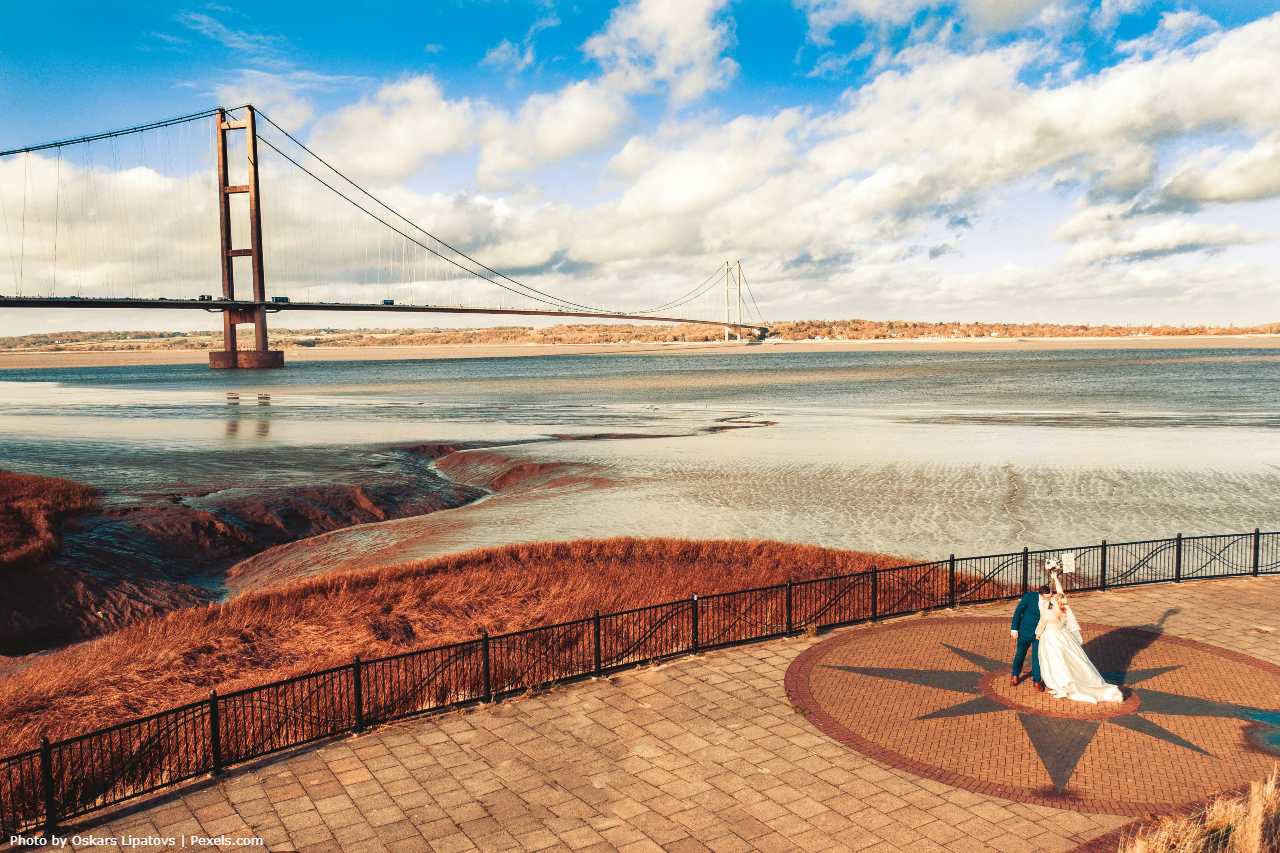
The Humber spreads before you like a slow-moving mirror. Tide after tide, it carries the memory of ships that once sailed from here to every corner of the world. The old docks still stand with their weathered brick walls and iron cranes. They are no longer just reminders of trade. They are storytellers now.
Hull moves with the tides, both literally and metaphorically. As you walk its streets, you feel like you are moving through a living archive.
Hull Maritime Museum 2026: The Soul of a Seafaring City
The newly renovated Hull Maritime Museum is a perfect place to begin your exploration.
After years of careful transformation, the museum has reopened with modern galleries where history truly breathes. You see ship models, restored nautical charts, and tools used by sailors generations ago. But what stays with you are the soft sounds in the background. Creaking timbers. Gentle waves. Whispered sea stories.
You pause before a model of a Humber barge and imagine it gliding through misty mornings. In that moment, you understand that Hull’s identity is deeply tied to water, trade, endurance, and quiet courage.
For Indian travellers interested in maritime history, this museum connects Britain’s sea routes with global trade stories that once touched Indian ports too.
Exploring Hull City Centre: Cafés, Markets, and Everyday Life
From the docks, the city slowly unfolds before you.
High Street feels lively without being overwhelming. The smell of coffee and warm pastries drifts from cafés onto the pavement. Markets display freshly caught fish alongside local vegetables. Small artisan shops carry handmade goods. Voices echo softly through narrow streets.
This is where you feel the rhythm of daily life in Hull.
In 2026, Hull Open Studios invites you into the private spaces of local artists. You watch creativity take shape in real time. A painter adds careful strokes to a wall. A ceramic artist shapes clay with quiet focus. You realise that Hull’s pulse lives as much in its people as in its buildings.
Ferens Art Gallery: From Monet to Modern Hull
The Ferens Art Gallery, named after its founder Thomas Ferens, is one of the city’s most important cultural spaces.
Its programme brings together rediscovered masterpieces and bold contemporary voices. You walk from a Monet painting to a playful Moomin-themed installation. Then you find a corner filled with works by local students. Colourful. Fearless. Full of imagination.
Every room feels like a quiet conversation between the past and the present. In 2026, Monet’s The Petit Bras of the Seine at Argenteuil is expected to be part of the National Gallery Masterpiece Tour from 19 June to 13 September. This makes Hull especially exciting for art lovers next year.
Hull Festivals 2026: When the Streets Come Alive
In 2026, Hull’s festivals bring the city into full bloom.
Our City, a community-led cultural festival, transforms streets and public spaces with parades, performances, and local art projects. Music floats from unexpected corners.
The Music Cities Convention from 9 to 11 June brings global artists into conversation with Hull’s musicians. For a few days, the city feels like a living studio of sound and ideas.
At night, even a casual walk reveals small street concerts, theatre audiences stepping out into cool air, and performers gathering small crowds. Each moment feels like a brushstroke in the larger painting of Hull.
Evenings by the Waterfront: Quiet Beauty by the Humber
Evenings in Hull move at a gentler pace.
Streetlights shimmer on wet pavements. Their reflections follow people lingering outside small theatres and galleries. The air carries a hint of salt from the Humber. Almost without realising it, you find yourself drawn back to the waterfront.
Here, the city softens. The noise fades. The river listens.
Food in Hull: Familiar Comforts and Local Flavours
Indian visitors looking for flavours from home can visit Tapasya on Humber Dock Street at the marina. It is a comforting stop when you begin to miss familiar spices.
A late coffee at a riverside café tastes richer here. The smell of wood smoke and freshly baked bread lingers in the air. The soft hum of conversation wraps around you.
Food in Hull always feels like a conversation with the place. Smoked fish from the Humber. Local cheeses. Seasonal vegetables. Everything arrives simply plated. Every bite tastes of care and quiet pride.
You pause over an oat cake with a cup of tea. Boats glide slowly along the water. In this small moment, you feel the city’s thoughtful pace.
Hull in 2026: A City of Details, Warmth, and Quiet Confidence
Museums, galleries, and festivals tell only half the story. Hull in 2026 is about noticing the small things. A brass plaque on a dock door. The soft curve of an iron bridge. A mural hidden in a narrow alley.
It is in conversations with shopkeepers. In the warmth of a brief local smile. In the hush you feel when you step into a quiet museum room. It is in the way Hull’s streets guide you gently from past to present. Each corner holds a story. Each building carries memory. Each market stall continues a tradition.
By the time you leave, you carry more than photographs. You carry a sense of place. Hull in 2026 feels like a conversation between heritage and reinvention. Between water and streets. Between art and everyday life.
It is not a city to rush. It is a city to walk through slowly. To listen to. To let unfold in small, unforgettable ways. In 2026, Hull welcomes you with quiet pride. With stories in every corner. With light in every reflection. And with life in every step along its streets and waterfronts.