
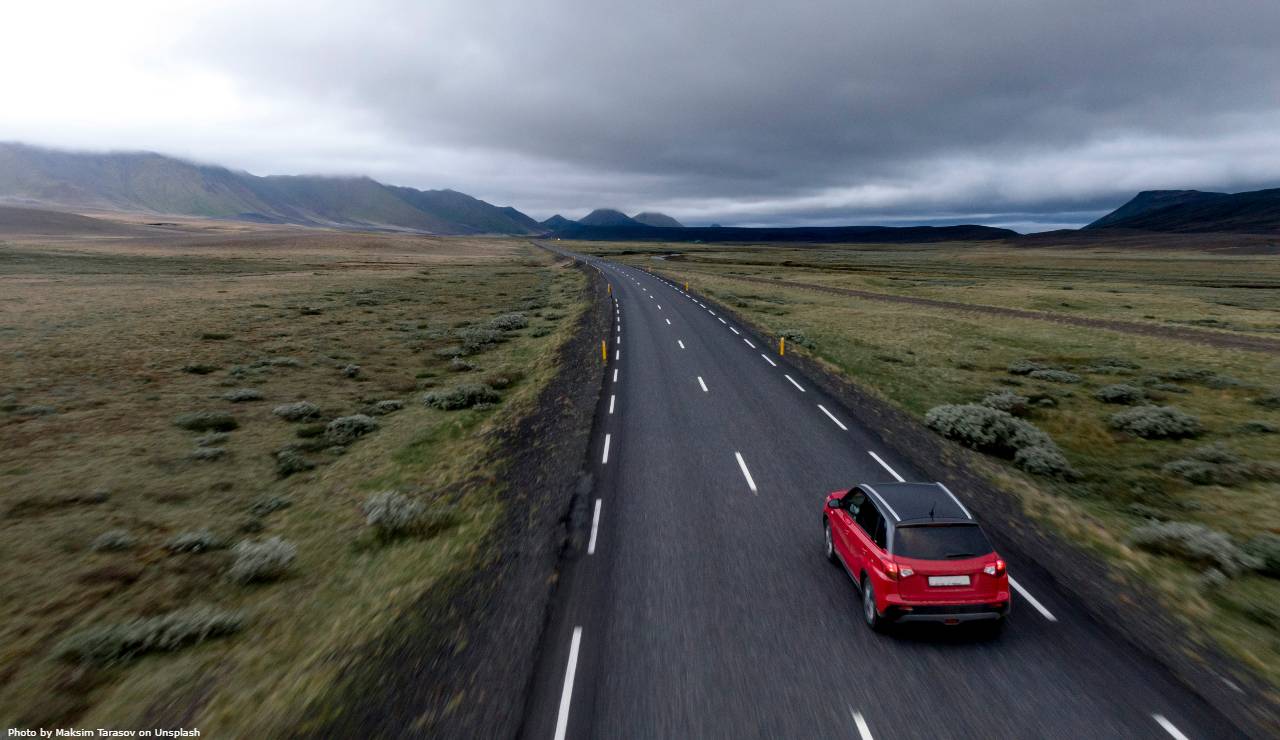

Thinking of renting a car during your UK trip? It can be one of the most rewarding ways to explore the country, especially outside the big cities. The countryside has its own quiet charm. Stone villages. Green rolling hills. Coastal roads that twist gently along the sea. Long stretches of open sky.
When you drive, you control your journey. You stop when you want. You take detours. You visit places that never appear in guidebooks. But driving in the UK has its own rhythm. Not difficult. Just different. This guide will help you feel confident before you begin.
Can Indian Travellers Drive in the UK on Their Licence?
If you hold a valid Indian driving licence, you can legally drive in the UK as a visitor for up to 12 months from the date you arrive. This is a big relief for many Indian travellers who want the freedom of driving without taking a British driving test. Important points you must remember:
- Your licence must be full and not provisional.
- Your licence must be in English. If it is not in English or if it uses regional language script, carry an International Driving Permit.
- You must carry your physical driving licence. Digital copies are not accepted.
- Most rental companies require you to be 23 to 25 years old. Younger drivers pay a young driver surcharge.
- Automatic cars are common across the UK, but not guaranteed. Request an automatic when booking because manuals are still widely available.
Tip: Book your rental car before you arrive in the UK. Airport counter bookings are always more expensive.
What Side of the Road Do You Drive On in the UK?
You drive on the left side of the road in the UK. This is familiar for Indian drivers. But the driving culture is more disciplined and structured. That is the main difference. You will notice:
- Lanes are respected.
- Speed limits matter.
- Indicators are used early.
- Overtaking is controlled.
- Honking is rare and seen as aggressive unless it is for safety.
Once you adjust to the pace, driving feels calm and predictable.
How Are Cars in the UK Different From Cars in India?
Even though both countries use right hand drive cars, you will notice a few differences:
- UK cars often have stronger safety controls like lane assist, speed limit warnings, adaptive cruise control and multiple sensors.
- Many UK roads are narrower, especially in villages and old towns. Judging vehicle width takes practice.
- Car mirrors are adjusted for tighter kerbs and narrow lanes.
- UK law requires seatbelts for everyone. Even back seat passengers.
- Daytime running lights are common.
- Electric cars are more popular, so expect quiet vehicles around you.
- Fuel choices include petrol, diesel and electric charging points across the country.
What Documents Do You Need to Drive in the UK?
Always carry:
- Indian driving licence
- Passport
- Visa or BRP (if applicable)
- Name and address of your stay
- Rental car agreement
- Insurance documents (third party insurance is the legal minimum)
If you are using your own foreign registered vehicle, you may need additional documents for tax, insurance and emissions.
How Do Roundabouts Work in the UK?
Roundabouts are everywhere. From small village roads to major highways. They keep traffic flowing. The main rule is simple:
Traffic coming from the right has priority. You wait. You watch for a gap. Then you join smoothly.
Tips for Indian travellers:
- Stay in your lane.
- Use indicators to show where you plan to exit.
- Do not panic if you miss your exit. Keep going around again.
- Look for roundabout signboards. They show all exits clearly.
After two or three days, roundabouts begin to feel natural.
What Are the Speed Limits in the UK?
Speed limits in the UK are clear, consistent and strictly enforced through cameras. That includes digital overhead signs on motorways and mobile speed traps. Typical limits:
- 20 mph in residential streets and near schools
- 30 mph in towns and cities
- 50 mph on larger local roads
- 60 mph on single carriageways in the countryside
- 70 mph on motorways and dual carriageways
Temporary digital limits are also camera monitored. Always follow them.
Are UK Road Signs Easy to Understand?
UK road signs follow international standards and are very clear. When a sign says No Entry, One Way or No Right Turn, it means exactly that. There are no informal exceptions.
Trust the signs. They are designed to keep everyone safe. Boards also use clear colours:
- Red for prohibitions
- Blue for mandatory actions
- Yellow for temporary changes
- White for regular information
Distances are written in miles. Speed is in miles per hour.
How Should You Overtake Cyclists?
Cyclists share the road equally. When you overtake:
- Leave at least 1.5 metres of space
- Slow down slightly
- Never honk unless there is danger
Honking is not a friendly gesture here. It is considered rude or alarming.
What Should You Know About UK Motorways?
Motorways are smooth, well marked and safe. Key rules:
- Keep left unless you are overtaking.
- Do not stop except in an emergency.
- Only stop at official service stations every 20 to 30 miles.
- Hard shoulder is for emergencies only.
- Follow digital overhead signs.
- Expect smart motorways with variable speeds and closed lanes.
Stopping for snacks, photos or stretching is not allowed. It is a serious offence.
Should You Drive in London?
You can but think twice. London has:
- Congestion Charge
- ULEZ (Ultra Low Emission Zone)
- Heavy traffic
- Very expensive parking
Use public transport inside London. Save your driving for the countryside.
Are There Tolls in the UK?
The UK has very few tolls. The main one that affects visitors is the Dartford Crossing near London. You must pay online by midnight the next day. Check with your rental company if they handle this automatically.
How Does Parking Work in the UK?
Parking rules are strict. Before you walk away from your car, always check:
- Yellow lines
- Resident only bays
- Time limited bays
- Pay and display zones
- Car park machines and apps
Most car parks accept card payments. If you overstay, the fine arrives automatically. One minute of reading a sign can save a penalty notice.
How Should You Share the Road With Motorbikes?
Motorbikes often filter through slow traffic. Keep checking your mirrors. Give them extra space. They accelerate faster and can be hard to spot at junctions.
Helmets are compulsory for riders and pillion passengers. At roundabouts, look carefully. Bikes can appear quickly.
What Are the Best Tips for Indian Travellers Driving in the UK?
- Slow down. The UK rewards calm drivers.
- Follow the left lane unless overtaking.
- Use indicators earlier than you would in India.
- Do not honk unless there is real danger.
- Stop only in safe pull over points.
- Use Google Maps or Waze for speed alerts and lane guidance.
- Take breaks during long drives.
- Keep an eye on cyclists and pedestrians at zebra crossings.
- Always give way to emergency vehicles.
Why Should You Try Driving in the UK?
Driving here is not only practical. It is peaceful and beautiful. The slow roads of Cotswolds, the wild cliffs of Cornwall, the lakes of Cumbria, the valleys of Wales and the wide open Highlands of Scotland.
If you stay observant and trust the rules, you will enjoy every mile. Sometimes the best views appear when you pull over, breathe and look around. Safe travels.